
Analyzing Shein’s Use of Virtual Fitting Rooms to Drive Technology Adoption Among Consumers
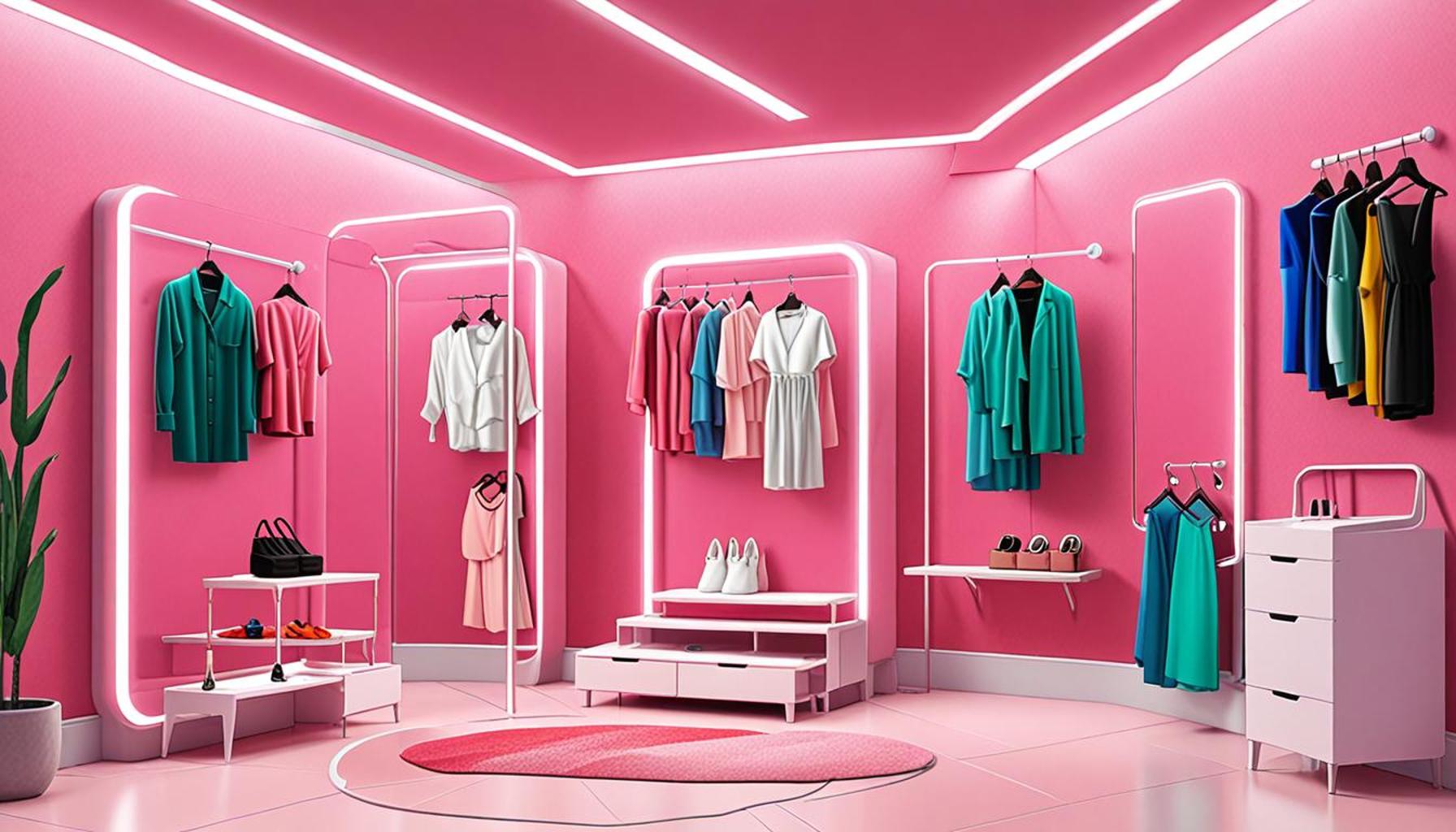
The Evolution of Online Retail through Technology
In an era defined by technological advancements, the convergence of fashion and tech has brought forth a transformative wave in how consumers interact with brands. Shein, a dominant player in the fast fashion sector, is at the forefront of this revolution, notably through its implementation of virtual fitting rooms. This innovative service not only enriches the shopping experience but also signifies a pivotal shift towards embracing technology in retail.
The modern shopper’s expectations have evolved beyond traditional purchasing methods. Consumers now seek more interactive and personalized shopping experiences that resonate with their preferences. Shein’s adoption of virtual fitting rooms is a direct response to this demand, showcasing several pivotal consumer-centric benefits:
- Virtual Try-Ons: These sophisticated features allow customers to experience a lifelike representation of clothing on their own bodies without needing to set foot in a physical store. Imagine scrolling through Shein’s app and effortlessly trying on an array of outfits, all through augmented reality. This innovative functionality caters to the growing desire for immediacy in fashion consumption.
- Enhanced Decision Making: By providing a *more accurate fit visualization,* Shein helps mitigate the common problem of sizing discrepancies, which often lead to high return rates. According to recent studies, return rates in online fashion shopping can exceed 30%, but technologies like virtual fitting rooms aim to enhance the quality of purchases. This increase in purchase confidence directly translates into increased sales for brands.
- Convenience: In the age of convenience, shopping from home continues to be a significant advantage. For tech-savvy consumers who prioritize seamless experiences, the ability to try on clothes digitally means they can shop anywhere, anytime. This shift reflects a broader trend towards e-commerce, especially for younger demographics who value instant gratification.
As Shein expands its technological strategies in retail, the repercussions go beyond individual consumer experiences. The company’s pioneering methods may profoundly influence consumer purchasing attitudes and behaviors across the fashion industry. By normalizing digital solutions in everyday shopping, Shein not only cultivates a unique shopping environment but also sets a precedent for other brands to follow, which may eventually lead to a fundamental transformation in the retail landscape.
Exploring the implications of such innovations offers invaluable insights into the trajectory of consumer trends. With the growing integration of virtual fitting rooms and similar technologies, the future of retail seems poised for a dramatic reorientation, one that brings digital interactions to the forefront and reshapes how fashion is consumed.
DISCOVER MORE: Click here to learn how Shein enhances transparency</p
Understanding the Impact of Virtual Fitting Rooms on Consumer Behavior
As the retail landscape rapidly evolves, Shein’s innovative approach to integrating virtual fitting rooms stands out as a transformative initiative aimed at redefining consumer interaction with fashion. This technological adoption not only reflects a response to consumer demands but also aims to drive significant shifts in shopping behaviors. As evidenced by Shein’s growth, the strategic utilization of virtual fitting rooms caters to both aesthetic preferences and practical needs.
One of the most compelling aspects of virtual fitting rooms is their ability to foster a sense of personalization. In today’s retail environment, consumers are increasingly gravitating towards brands that offer tailored experiences. Shein’s technology allows for the creation of digital avatars based on user measurements, enabling shoppers to visualize how specific items will look on their unique body shapes. This innovation can be pivotal in enhancing brand loyalty and encouraging repeat purchases, as customers feel a stronger connection when they can relate to how clothing will fit them.
Consumer data indicates that enhanced fitting technologies can drastically reduce the uncertainty that often accompanies online shopping. A significant 75% of consumers have reported hesitance in purchasing clothing online due to fit concerns, leading to a palpable demand for solutions that minimize this dilemma. By addressing this pain point, Shein not only increases consumer confidence but also reduces the likelihood of returns—one of the largest cost factors in e-commerce. This symbiotic relationship highlights how virtual fitting rooms can serve as a mechanism for driving technology adoption among previously skeptical consumers.
- Cost Efficiency: For retailers, the advantages of adopting virtual fitting rooms extend to their bottom line. Reducing returns can significantly lower operational costs involved in reverse logistics, while simultaneously leading to higher customer satisfaction levels.
- Social Influence: The appeal of virtual fitting rooms is further amplified by social media. As users share their try-on experiences on platforms like Instagram and TikTok, it not only increases brand visibility but also enhances the perceived value of the technology. Social proof becomes a driving force for other consumers, encouraging them to explore Shein’s offerings.
- Innovative Shopping Journeys: Shein’s continuous improvements in virtual fitting technology foster a more engaging shopping experience. This innovation resonates particularly well with Gen Z and Millennial shoppers, who are often seeking interactive and tech-driven experiences as part of their purchasing journey.
The implications of Shein’s virtual fitting room strategy go beyond mere consumer interaction; they suggest a broader shift within the retail sector. Understanding how technology can bridge the gap between physical and online shopping experiences is crucial for brands aiming to remain competitive. As this trend gains momentum, the success or failure of virtual fitting rooms may ultimately shape the future trajectory of retail technology adoption across the industry.
Interactive User Experience
As consumers increasingly lean towards more engaging shopping experiences, the integration of virtual fitting rooms by Shein provides a tailored solution, marrying convenience with innovation. This technology allows users to visualize how clothing will fit their unique body shapes before making a purchase, drastically reducing the uncertainty often associated with online shopping. The interactive nature of virtual fitting rooms not only enhances user engagement but also assists in building consumer confidence; shoppers can experiment with outfits in real time, fostering a sense of ownership and excitement.
Technology Adoption Among Consumers
The role of technology adoption in e-commerce cannot be overstated, and Shein’s strategic use of virtual fitting rooms exemplifies this shift. By incorporating advanced features such as augmented reality (AR) and 3D modeling, Shein not only demonstrates cutting-edge technology but also meets consumer demand for personalization. Research indicates that shoppers are more likely to complete a purchase when they are empowered to visualize their choices. In essence, by implementing such innovative tools, Shein is not only driving its own sales but also paving the way for broader acceptance of virtual solutions in the retail sector.
Consumer Insights and Preferences
Understanding the preferences of consumers is another key advantage of Shein’s virtual fitting rooms. These tools provide valuable insights into purchasing patterns, enabling the brand to tailor its marketing strategies effectively. For instance, feedback collected from these sessions can help refine product offerings or adjust sizing guides, aligning them more closely with consumer expectations. This level of adaptability positions Shein to stay relevant in a constantly evolving marketplace while directly addressing the needs and concerns of modern shoppers.
| Advantage | Details |
|---|---|
| Enhanced Shopping Experience | Virtual fitting rooms offer real-time visualizations of clothing fits. |
| Greater Consumer Confidence | Technology reduces uncertainty in online purchases, encouraging more buying. |
In summary, Shein’s forward-thinking approach to online retail through the use of virtual fitting rooms serves as a testament to how technology can transform consumer experiences. By effectively combining engagement, personal preferences, and innovative applications, Shein not only captures the attention of shoppers but also sets a precedent for the future of retail technology.
DISCOVER MORE: Click here to learn about how Shein enhances transparency</
Enhancing Consumer Engagement Through Interactive Features
Shein’s virtual fitting rooms are not merely functional; they are designed to enhance consumer engagement through a variety of interactive features. These elements create an immersive shopping experience that resonates with the tech-savvy demographics of younger consumers, particularly Millennials and Gen Z. According to recent research, over 60% of Gen Z shoppers prefer to shop online and value brands that utilize modern technologies to create seamless experiences.
The incorporation of augmented reality (AR) plays a vital role in this narrative. By enabling users to try on clothes digitally, Shein offers a unique opportunity for customers to visualize apparel in a realistic context. This technological advancement makes the shopping experience more interactive and engaging, as customers can experiment with styles, colors, and fits without the limitations of physical changing rooms. Such innovations foster a sense of exploration, allowing consumers to curate their wardrobes effortlessly.
An additional benefit of these interactive features lies in their ability to facilitate user-generated content. Shein encourages customers to share their virtual fitting experiences on social media platforms, which not only amplifies brand reach but also inadvertently serves as a user-driven marketing strategy. The visual nature of social media means that customers can showcase their newfound outfits, helping to create a community of brand advocates. This form of organic marketing is often more impactful than traditional advertising, as genuine endorsements from peers carry significant weight in consumer decision-making processes.
- Augmented Reality Integration: The ability to visualize clothing through AR has significantly reduced the gap between online shopping and in-store experiences. This technology allows for a more accurate understanding of fit and style, making it an essential tool in today’s e-commerce landscape.
- Community Building: By blending shopping with social interaction, Shein’s approach creates a unique online community where consumers can connect over shared fashion interests. This fosters brand loyalty as users become more invested in Shein’s offerings and promote them within their social circles.
- Real-Time Feedback: Virtual fitting rooms can also provide real-time insights into consumer preferences. By analyzing the items that customers try on and their subsequent buying patterns, Shein can refine its inventory and marketing strategies, leading to a more personalized shopping experience that resonates with individual consumer desires.
Furthermore, the advantages of virtual fitting rooms extend to sustainability efforts. Shein’s emphasis on reducing returns contributes to the minimization of waste associated with textile overproduction and the carbon footprint from shipping returned items. By addressing environmental concerns alongside consumer needs, Shein positions itself as a forward-thinking brand in an era where eco-consciousness is becoming increasingly important to shoppers. According to a survey by McKinsey & Company, 67% of consumers consider sustainability in their purchase decisions, a statistic that underscores the importance of aligning technology adoption with sustainable practices.
This strategic alignment not only enhances Shein’s competitive edge but also empowers consumers to make more informed choices. As brands continue to innovate and adopt similar technologies, it is evident that virtual fitting rooms could reshape retail standards in a transformative way, allowing for a more dynamic, personalized, and responsible shopping experience.
DIVE DEEPER: Click here to discover the importance of personalization
Conclusion: The Future of Retail Through Virtual Fitting Rooms
In a rapidly evolving e-commerce landscape, Shein’s innovative use of virtual fitting rooms has redefined consumer shopping experiences and actively driven technology adoption among its target audience. By harnessing the power of augmented reality, Shein enables shoppers to visualize clothing in a personalized setting, reducing the uncertainties that often accompany online apparel purchases. This technological integration not only enhances user interaction but also leads to a more satisfying shopping journey for customers who prefer online platforms.
Moreover, Shein’s approach to community building and encouraging user-generated content has created a vibrant ecosystem where shoppers can share their experiences and fashion choices. This makes the shopping process not just transactional but also social, fostering deeper brand loyalty and organic advocacy among users. In addition, the real-time feedback provided by these virtual fitting rooms equips Shein with valuable insights, enabling them to tailor their offerings to meet evolving consumer preferences.
As sustainability continues to emerge as a critical consideration for consumers, Shein’s strategies to minimize returns through virtual fitting rooms align seamlessly with the growing demand for eco-friendly practices. This confluence of technology, engagement, and sustainability positions Shein as a pioneer in the digital retail space, highlighting the potential for brands to create responsible and enriching shopping experiences. Looking ahead, it is clear that the future of retail will be shaped by such technological advancements as virtual fitting rooms, signaling a shift towards more personalized, interactive, and sustainable consumer interactions.

Linda Carter
Linda Carter is a writer and expert known for producing clear, engaging, and easy-to-understand content. With extensive experience in guiding people as they pursue their goals, she shares valuable insights and practical advice. Her mission is to help readers make informed choices and achieve meaningful progress.