The Role of Artificial Intelligence in Optimizing Shein’s Supply Chain
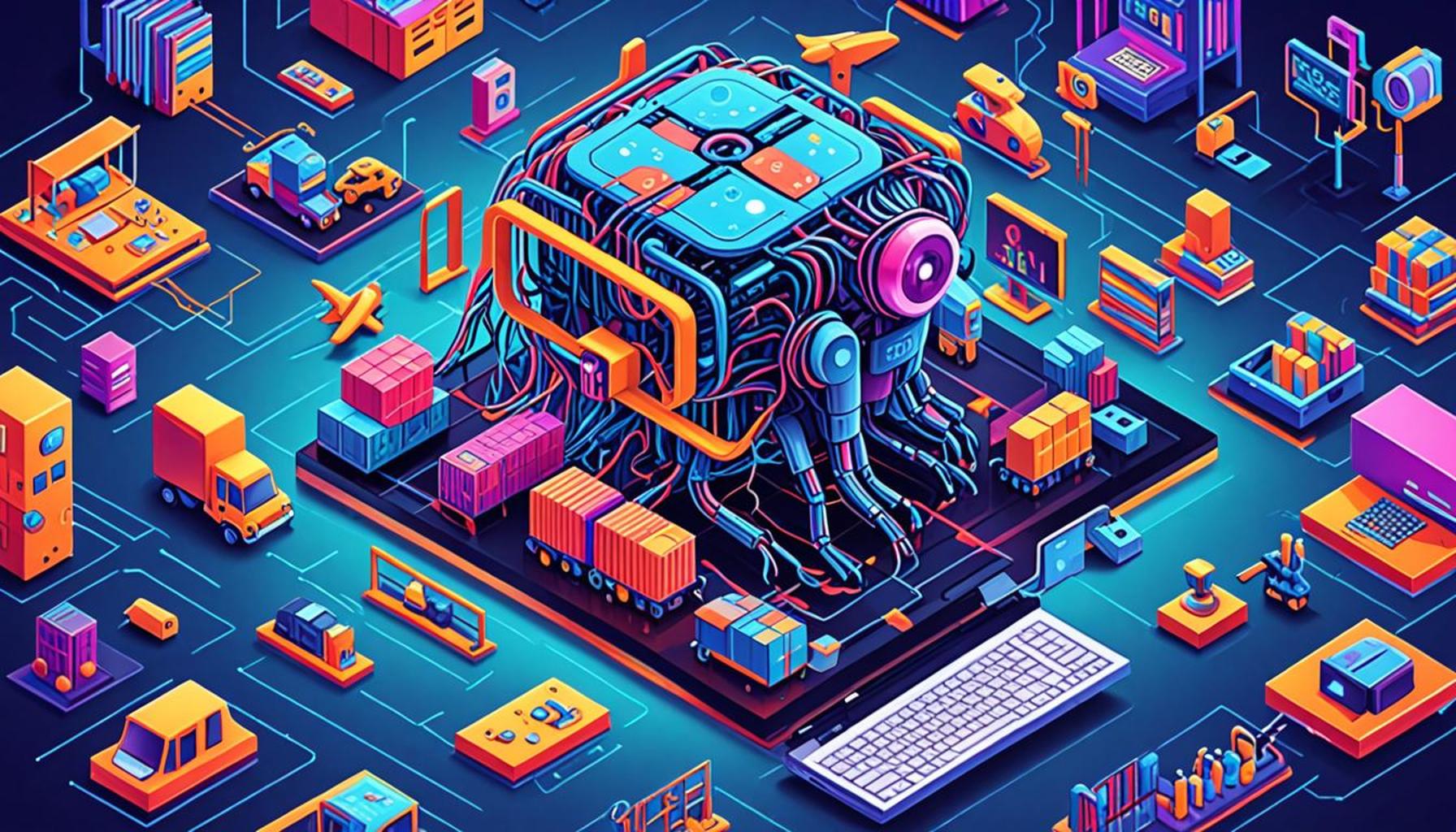
Understanding AI’s Impact on Retail Logistics
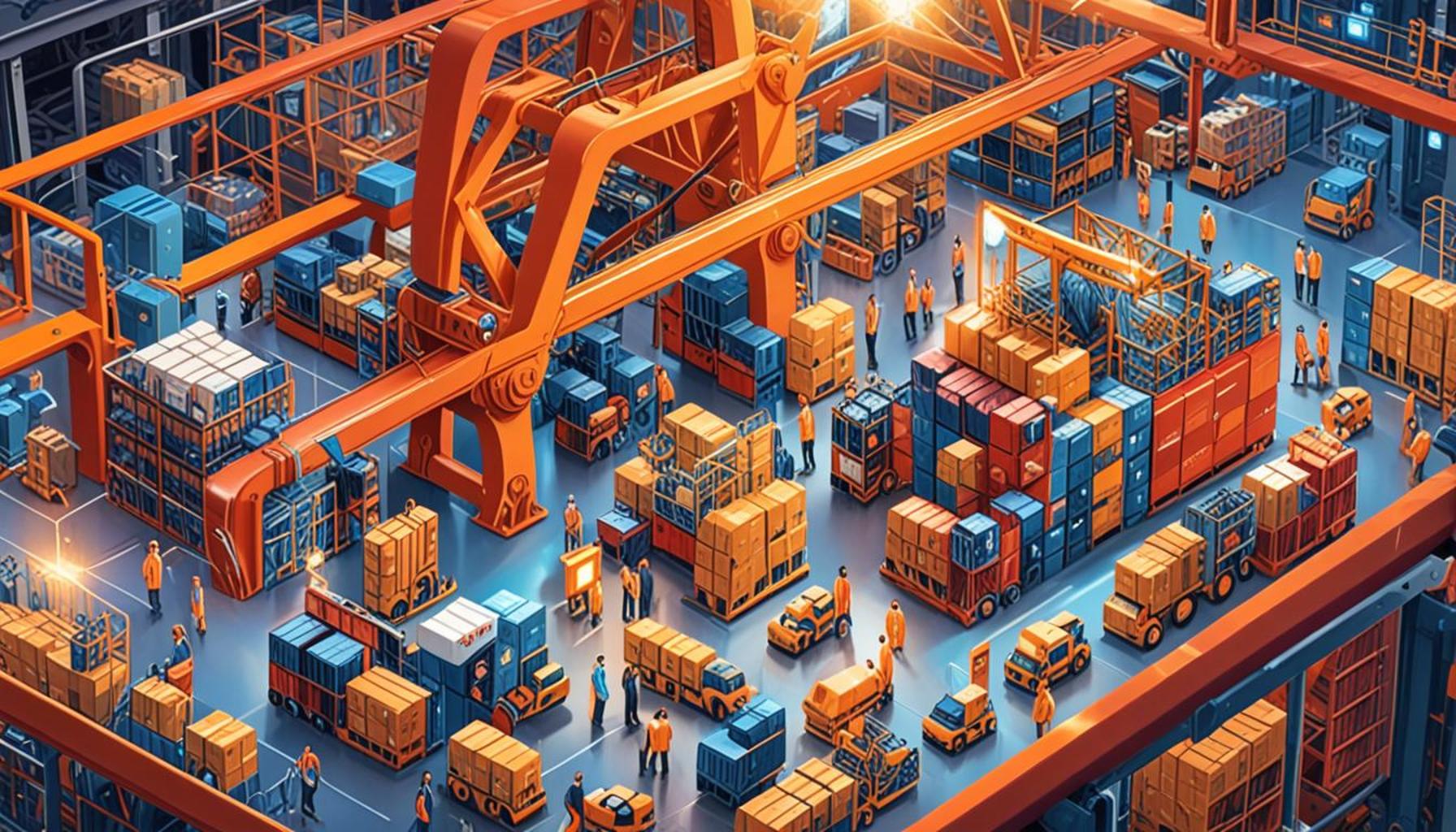
In the modern retail landscape, the advent of Artificial Intelligence (AI) is redefining how logistics operates. Retail giants like Shein exemplify the transformative power of AI, employing sophisticated technologies to optimize their supply chains and improve overall efficiency. This integration of innovation extends beyond mere automation; it represents a fundamental shift in how businesses respond to consumer needs.
Data Analysis: Driving Informed Decisions
One of the primary advantages of AI in retail logistics is its capability for data analysis. By tapping into extensive datasets containing consumer behavior patterns and market trends, Shein is capable of making highly informed decisions regarding inventory and production. For instance, using predictive analytics, Shein can anticipate which styles or products will be in higher demand based on seasonal trends or emerging fashion influences. This ability to forecast demand accurately means that Shein can align its production schedules with consumer preferences, ultimately minimizing waste and maximizing sales.
Inventory Management: Smart Solutions
Machine learning algorithms play a pivotal role in inventory management. These algorithms evaluate patterns in consumer purchases and stock levels to suggest ideal inventory thresholds. For example, if a particular dress is trending on social media, AI can quickly trigger a restock process to ensure that it remains available for eager shoppers. This proactive approach not only enhances customer satisfaction but also drives profit margins by reducing the risk of stockouts or excess inventory.
Supplier Coordination: Enhancing Communication
AI also significantly improves supplier coordination. With AI-driven platforms, Shein cultivates better communication channels with its suppliers, enabling real-time updates on material availability and shipment schedules. This level of connectivity ensures that Shein can pivot swiftly when supply chain disruptions occur, such as delays in shipping or sourcing challenges, ensuring a more agile response to unforeseen circumstances.
The Importance of Real-Time Monitoring
In a market characterized by rapid change, real-time monitoring becomes essential. AI enables Shein to continuously track its inventory and shipments, providing key insights into stock levels and logistics performance. This capability significantly reduces the chances of both stockouts—where items are unavailable for purchase—and overstock situations, which can lead to unnecessary markdowns. By leveraging real-time data, the company streamlines operations and maintains a robust supply chain.
Cost Reduction Through Automation
Another critical benefit of AI in retail is its ability to lead to cost reduction. Automation can handle a multitude of repetitive tasks, such as order processing and inventory audits, freeing up valuable employee time for more strategic initiatives. By minimizing manual labor, Shein can lower operational costs—a move that directly contributes to increased profitability and enables reinvestment into innovation and customer engagement strategies.
Enhancing Customer Experience
The most striking impact of AI may be its capacity to enhance customer experience. With personalized recommendations driven by AI algorithms, Shein can offer tailored suggestions to consumers based on their browsing history and purchase patterns. This level of personalization not only boosts customer satisfaction but also fosters loyalty, essential in an industry rife with fierce competition.
In conclusion, the integration of AI in retail logistics is not merely a fleeting trend, but rather a significant evolution that is reshaping the fashion industry. Shein’s innovative strategies demonstrate how companies can harness technology to navigate the complexities of the market. As businesses explore AI’s potential, they highlight the necessity of adapting to digital advancements to thrive in the fast-paced retail environment. The future of retail logistics is undeniably intertwined with the smart use of AI technologies, suggesting a promising horizon for those willing to innovate.
DISCOVER MORE: Click here to learn more
Harnessing the Power of AI in Shein’s Supply Chain
As retail continues to evolve, artificial intelligence serves as a catalyst driving efficiencies within the supply chains of companies like Shein. By embracing AI technologies, Shein is not only streamlining its operations but is also reshaping how the fashion industry approaches consumer delivery and inventory management. In a sector where timing is everything, the successful implementation of AI can mean the difference between market leadership and obsolescence.
Predictive Analytics: Shaping Supply Chain Strategies
Through the lens of predictive analytics, AI empowers Shein to proactively respond to market demands. By analyzing vast amounts of data, including customer preferences, sales history, and external trends (such as weather forecasts or economic indicators), Shein can effectively forecast demand for specific products. This strategic foresight allows the company to:
- Allocate resources more efficiently, reducing excess inventory.
- Anticipate consumer demand spikes, ensuring popular items are readily available.
- Optimize production schedules, minimizing lead times and associated costs.
For example, if analytics indicate a growing trend in athleisure wear, Shein can swiftly adjust its production schedules to capitalize on this emerging interest, ensuring they remain ahead of the curve.
Automation: Streamlining Operations
At the heart of operational efficiency lies automation. Shein leverages AI to automate several critical processes, such as order fulfillment and inventory tracking. Automation not only speeds up these processes but also mitigates human errors, which can be costly in terms of both time and money. A study from McKinsey indicates that such automation can reduce operational costs by as much as 20%. In practical terms, when a customer places an order, a fully automated system can process the order, manage inventory levels, and initiate restocking procedures—all without human intervention. This seamless flow not only enhances speed but directly correlates with improved customer satisfaction.
Logistics Optimization: A Key to Agility
The integration of AI in logistics optimization allows Shein to refine its supply chain network. Utilizing machine learning algorithms, the company can assess transportation routes and shipping times, ensuring that products reach consumers as quickly as possible. In addition, AI can help identify the most cost-effective delivery methods based on real-time data. By prioritizing logistics efficiency, Shein can:
- Reduce shipping costs, which can be passed on as savings to the consumer.
- Improve delivery accuracy, thus enhancing the overall shopping experience.
- Adapt quickly to changes in shipping regulations or disruptions caused by global events.
As consumer expectations continue to rise, an agile logistics framework powered by AI will become increasingly essential for Shein in meeting market demands.
AI in Quality Control: Ensuring Consistency
Another fascinating application of AI in Shein’s supply chain is in quality control. Advanced image recognition technology enables the early detection of defects or inconsistencies within products. As items are manufactured, AI systems can identify flaws that may go unnoticed by the human eye, ensuring that only high-quality items make their way to consumers. This not only protects the brand’s reputation but also enhances customer trust and loyalty.
In summary, Shein’s integration of AI technologies across various facets of its supply chain is setting a new standard in the retail sector. From predictive analytics that shape demand forecasting to automation that streamlines operations, these innovations illustrate how AI can drive significant efficiencies and enhance customer experience. As the retail landscape continues to shift, Shein’s commitment to leveraging AI serves as a model for other businesses aiming to navigate the complexities of a highly competitive market.
| Category | Advantages |
|---|---|
| Demand Forecasting | Utilizing AI algorithms enables Shein to accurately predict fashion trends based on consumer behavior. |
| Inventory Management | AI systems optimize stock levels, reducing excess inventory while also ensuring popular items are always available. |
In exploring the transformative impact of artificial intelligence (AI) on Shein’s supply chain, it is essential to recognize how AI enhances various operational aspects. For instance, effective demand forecasting allows Shein to utilize data analytics to interpret customer purchasing patterns, aligning production with market needs. This avoids overproduction, minimizing waste, and facilitating a more sustainable approach in the fast-fashion industry.Moreover, AI-driven inventory management enables dynamic adjustments to stock levels. By analyzing real-time data, Shein can efficiently control inventory, leading to cost savings and improved cash flow. The integration of machine learning within the supply chain can also enhance logistics operations by streamlining transportation routes, which ultimately results in quicker delivery times and increased customer satisfaction.Through the strategic application of artificial intelligence, Shein not only optimizes its logistics but also positions itself as a leader in innovative supply chain practices within the fashion retail sector. Understanding these facets reveals the potential of AI to radically reshape and improve industrial operations. The exploration of such technologies indicates a promising future for both Shein and the broader industry in achieving efficiency and customer-centric practices.
DISCOVER MORE: Click here to learn about consumer behavior changes
Customer-Centric AI: Enhancing Consumer Engagement
In today’s competitive retail landscape, delivering an exceptional customer experience is not just advantageous; it’s essential. Artificial intelligence plays a critical role in helping Shein personalize interactions and enhance consumer engagement. By employing natural language processing (NLP) and machine learning, Shein can analyze customer feedback, online reviews, and social media interactions to better understand consumer preferences and sentiment.
Personalized Marketing and Recommendations
One of the notable ways AI augments customer engagement is through personalized marketing strategies. By interpreting data signals and purchase behavior, Shein can tailor product recommendations to individual users. For instance, if a customer frequently browses for sustainable clothing, Shein is equipped to showcase eco-friendly collections upon their next visit. This level of personalization not only enhances user experience but also significantly increases the likelihood of conversion.
According to a study by McKinsey, personalized experiences can lead to a 10-30% increase in sales. By leveraging AI algorithms that analyze customer behavior in real time, Shein can optimize its marketing campaigns, ensuring they resonate with specific target audiences, ultimately driving sales and fostering brand loyalty.
Chatbots and Customer Support
Another instance of AI’s impact on Shein’s supply chain is through the deployment of AI-powered chatbots for customer support. These chatbots can handle a myriad of customer inquiries, ranging from product information to order tracking, all while providing 24/7 support. By reducing the need for human customer service representatives, Shein not only cuts costs, but also minimizes response time. A quick turnaround on queries enhances customer satisfaction, leading to higher retention rates.
In a world where consumers expect instantaneous responses, chatbots serve as a vital tool in Shein’s customer service arsenal. According to HubSpot, integrating chatbots into customer service channels can improve engagement while saving companies an estimated $858 billion per year collectively.
Enhancing Returns Management with AI
In the e-commerce industry, returns can be a logistical nightmare. However, AI has the potential to streamline this process significantly. Shein employs AI technologies to analyze return data, identifying common trends or issues that lead to product returns. For instance, if a particular item receives high return rates due to sizing problems, Shein can respond by recalibrating its sizing guides or improving product descriptions.
- This data-driven approach not only reduces the costs associated with handling returns but also improves the overall customer experience by addressing underlying issues before they escalate.
- Moreover, by refining its returns process through AI-driven insights, Shein can develop more effective strategies, leading to reduced turnaround times and satisfied customers.
AI in Product Development: Responsiveness to Trends
Moreover, AI technology plays a pivotal role in Shein’s product development cycle. By utilizing trend analysis tools that continuously scan social media and fashion blogs, Shein can identify emerging styles and consumer preferences. This agile approach allows the company to design and bring new products to market more rapidly than traditional fashion cycles would allow.
For instance, if a streetwear trend emerges on platforms like TikTok, Shein can harness this data to create related products almost in real-time, thus capitalizing on the latest trend before it fades. This level of responsiveness is crucial in an age where fashion trends can change overnight.
By employing advanced AI technologies across various dimensions of its supply chain, Shein is not just reacting to market demands but is actively shaping the consumer experience. Through enhanced customer engagement, proactive product development, and efficient returns management, Shein sets a benchmark that other retailers will need to consider as they navigate the future of fashion retail.
DIVE DEEPER: Click here to learn more
Conclusion: The Future of Fashion with AI
In conclusion, the integration of artificial intelligence into Shein’s supply chain is not merely a trend; it represents a transformative shift that redefines how fashion retailers operate in a dynamic marketplace. By leveraging AI technologies, Shein has unlocked opportunities for enhanced efficiency, improved customer engagement, and rapid responsiveness to market trends. The deployment of data analytics and AI algorithms allows Shein to make informed decisions that drive conversion rates and foster brand loyalty.
Through personalized marketing strategies, AI algorithms analyze consumer behavior, leading to gains in sales and customer satisfaction. Furthermore, AI-powered chatbots streamline customer support, ensuring that inquiries are addressed promptly and effectively, which ultimately enhances retention rates. Shein’s approach to managing returns through AI not only reduces operational costs but also ushers in a more consumer-friendly experience.
As AI continues to evolve, Shein’s commitment to harnessing its power for product development positions the company ahead of competitors in a fast-paced fashion arena. With the ability to analyze trends swiftly and respond in real-time, Shein isn’t just adapting to market demands but is actively shaping them.
The implications of Shein’s AI-driven strategies set a benchmark for the fashion retail industry, encouraging a broader adoption of technology to meet the ever-changing needs of consumers. As businesses look toward the future, the role of AI in optimizing supply chains will remain pivotal, urging retailers to innovate continually for success in a competitive landscape.

Linda Carter
Linda Carter is a writer and expert known for producing clear, engaging, and easy-to-understand content. With extensive experience in guiding people as they pursue their goals, she shares valuable insights and practical advice. Her mission is to help readers make informed choices and achieve meaningful progress.