
The Evolution of Logistics and its Influence on Technology Adoption by Shein
Transformative Forces in Logistics
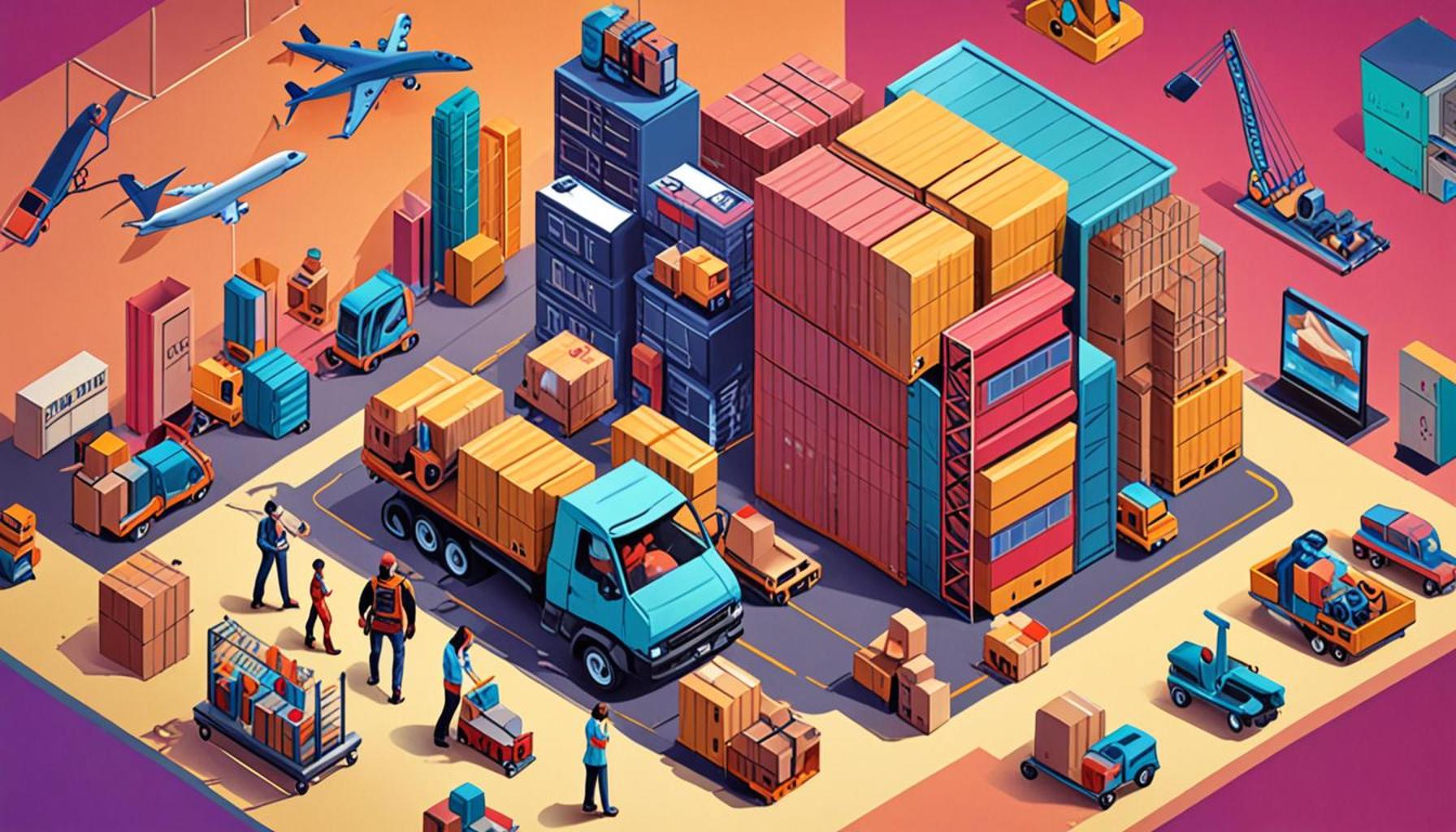
The logistics sector, particularly in retail, has seen remarkable evolution, primarily spurred by technological breakthroughs. Major players, such as Shein, are not merely navigating these changes; they are actively reshaping the industry landscape. With the rising expectation for fast and efficient logistics services, the integration of advanced technologies into supply chain management has become imperative for staying competitive.
Key Driving Factors
Several critical factors are fueling this transformation:
- Automation: Today’s warehouses are increasingly filled with robotics capable of managing tasks ranging from picking and packing items to sorting products for shipment. Automated inventory systems enhance accuracy and reduce labor costs, allowing businesses like Shein to fulfill orders quickly and with minimal errors. For instance, the implementation of automated guided vehicles (AGVs) in warehouses allows for smoother operations and faster product turnover.
- Data Analytics: Utilizing real-time data analytics empowers companies to make informed decisions that streamline operations. By analyzing shopping trends and inventory levels, retailers can predict what items will be in high demand, ultimately reducing excess stock and minimizing waste. Predictive analytics enables Shein to tailor their offerings to regional preferences, adapting marketing strategies that appeal directly to localized consumer needs.
- AI and Machine Learning: These technologies provide enhanced predictive capabilities that fundamentally alter inventory management and customer service. For example, machine learning algorithms can analyze historical sales data to forecast future demand patterns, allowing Shein to adjust production schedules proactively. This capability ensures that products align with current trends swiftly, keeping their offerings fresh and competitive.
Shein’s Logistics Model
Shein epitomizes the successful integration of these advancements, not just by streamlining operations, but by setting new standards for agility in the retail environment. The company’s innovative logistics tactics underpin its competitive edge:
- Short Production Cycles: One of Shein’s hallmark features is its ability to produce new designs rapidly, often turning trends from fashion weeks around in mere weeks. This ability to quickly rotate inventory helps them meet the constantly changing preferences of consumers.
- Global Supply Chain Integration: The brand’s robust global logistics framework ensures that products can be shipped efficiently across international borders. This system not only enhances delivery speed but also fosters customer satisfaction by enabling accurate tracking and timely updates throughout the shipping process.
- Customer-centric Logistics: Shein emphasizes personalizing the shopping experience by utilizing customer data to inform product recommendations. Such approaches, underpinned by sophisticated logistics systems, facilitate a seamless experience, encouraging repeat purchases and building brand loyalty.
Conclusion
Delving into the complexities of logistics reveals how Shein and others are leading the charge towards a technology-driven retail environment. The synergy between logistics innovations and technological advancements illustrates a profound transformation in modern commerce. As this trend continues to evolve, businesses that effectively harness these tools will not only survive but thrive in an increasingly competitive marketplace, ultimately redefining consumer expectations in the retail landscape.
DIVE DEEPER: Click here to discover the impact of social media on consumer behavior
Shein’s Technology-Driven Supply Chain Transformation
The logistics landscape has undergone a seismic shift in recent years, with companies like Shein at the forefront of this evolution. The fashion retailer has embraced a multifaceted approach to logistics that not only enhances operational efficiency but also emphasizes customer satisfaction. As logistics becomes increasingly sophisticated, Shein stands out for its agile model that integrates cutting-edge technologies.
Embracing Advanced Technologies
Shein’s journey showcases a deliberate strategy where technology adoption is woven into the very fabric of its logistics operations. By focusing on several key technological advancements, Shein has been able to adapt swiftly to the uncertainties of the retail environment:
- Robotics and Automation: The application of robotics has revolutionized warehouse management. Automated sorting systems drastically decrease processing times, enabling Shein to manage high volumes of orders without compromising accuracy. The use of robotics lowers operational costs and mitigates the risk of human error, crucial for a company that prides itself on rapid order fulfillment.
- Blockchain Technology: The integration of blockchain in logistics enhances transparency throughout Shein’s supply chain. By providing an immutable record of transactions, blockchain technology helps in verifying product authenticity and tracking shipments effectively. This transparency not only builds consumer trust but also streamlines the processes involved in international shipping, minimizing delays and discrepancies.
- Smart Warehousing: With the rise of proactive inventory management, Shein leverages IoT devices to create smart warehouses. These devices monitor inventory levels in real-time, sending alerts for restocking needs and allowing the company to respond quickly to fluctuations in demand. This interconnectedness ensures that Shein can remain agile, continuously meeting customer demands without facing stock shortages.
The Role of Consumer Insights
In the age of Big Data, Shein has astutely recognized that harnessing consumer insights is paramount for successful logistics and inventory management. By analyzing purchasing patterns and customer preferences through robust data analytics, Shein can significantly improve its supply chain efficiency. This data-driven approach allows the company to:
- Optimize Inventory: By identifying which products are gaining traction, Shein can adjust its inventory levels proactively. This ensures that popular items are well-stocked while minimizing the risk of overproduction.
- Enhance Product Development: Insights gathered from customer interactions inform Shein’s product development pipeline. This feedback loop enables the company to align its offerings with what consumers truly want, ultimately shortening the time between design conception and market availability.
- Personalize Marketing Strategies: Data analytics not only streamlines logistics but also amplifies marketing efforts. By targeting audiences with tailored messages based on purchasing behaviors, Shein captivates the interest of shoppers, driving engagement and loyalty.
The synergy between logistics advancements and technology adoption positions Shein as a trailblazer in the retail sector. As the industry pivots towards more digitized solutions, Shein’s example reveals how proactive adaptation can yield significant competitive advantages in an ever-evolving marketplace.
| Category | Details |
|---|---|
| Speed of Delivery | Shein has revolutionized the logistics sector with its rapid order fulfillment systems, enabling deliveries within days. |
| Inventory Management | By utilizing real-time data analytics, Shein optimizes its supply chain, ensuring responsive inventory adjustments. |
| Customer Experience | Enhanced logistics processes contribute to a smoother customer journey, driving brand loyalty. |
| Data-Driven Decisions | The integration of tech in logistics allows Shein to make informed strategic decisions about market trends. |
The emergence of technology in logistics has not only expedited processes but also enhanced operational efficiency, enabling brands like Shein to meet consumer demands promptly. Through sophisticated algorithms and data analytics, Shein continuously fine-tunes its inventory management and fulfillment strategies. This adaptability fosters an environment that’s continuously innovative, directly reflecting in improved customer satisfaction and retention rates. Moreover, the logistics evolution offers compelling insights that facilitate the optimization of delivery routes and methods, adapting to regional preferences and peak times. Ultimately, the influence of logistics technology creates a dynamic marketplace, pushing Shein to the forefront of the fashion industry. As this evolution progresses, the interplay between technology and logistics will undoubtedly continue to reshape retail landscapes globally. Each advancement leads to further opportunities for consumer engagement and operational improvement, inviting readers to delve deeper into the transformative effects on modern commerce.
DISCOVER MORE: Click here to dive into the latest innovations
Leveraging Data-Driven Logistics for Competitive Edge
As Shein progresses in the intricate dance of logistics evolution, its decision to leverage data-driven logistics plays a pivotal role in shaping its operational strategies. The retailer’s capacity to harness real-time data offers immense insights into consumer buying behaviors and operational efficiencies, marking a shift from traditional practices to a more analytical approach.
Supply Chain Visibility through Analytics
In a landscape where supply chain disruptions have become increasingly common, Shein’s investment in analytics provides a clear edge. The retailer employs predictive analytics to forecast demand, assessing variables such as seasonal trends, geographical preferences, and recent purchasing behaviors. This foresight allows for a more agile supply chain capable of responding swiftly to market changes. By utilizing advanced algorithms, Shein can:
- Mitigate Risks: Predictive models enable the identification of potential supply chain disruptions before they escalate. By planning contingencies ahead of time, Shein can maintain its commitment to rapid delivery, thus enhancing customer trust.
- Improve Delivery Accuracy: With insights generated from past order data, Shein can refine its logistics routes. This results in improved delivery times and reduces the carbon footprint associated with logistics operations, in line with modern sustainability goals.
- Tailor Fulfillment Strategies: By understanding regional demand patterns, Shein adjusts its fulfillment centers, ensuring that inventory is placed where it is most needed. This approach minimizes shipping times and costs, aligning closely with the brand’s promise of fast fashion.
Collaboration and Integration within the Supply Chain
Shein also stands out due to its strategic partnerships with logistics providers and technological innovators. The collaborative network essentially acts as a well-oiled machine where each participant enhances the overall capabilities of the supply chain. This synergy is not merely beneficial but essential for achieving:
- Faster Turnarounds: Collaborating with third-party logistics (3PL) companies allows Shein to leverage existing infrastructure for rapid shipping without heavy capital investment in facilities.
- Shared Technologies: By integrating technologies between partners, Shein gains access to innovative tools and systems not necessarily available in-house. Such partnerships foster a culture of continuous improvement and technical development.
- Enhanced Scalability: As demand surges during peak seasons, having a collaborative network allows Shein to scale its operations easily without compromising on quality or service speed.
The Future of Logistics with Artificial Intelligence
Looking ahead, Shein’s commitment to incorporating artificial intelligence (AI) into its logistics processes indicates a forward-thinking ethos. AI can automate various aspects of logistics, from demand forecasting to order management. Innovations powered by AI promise to:
- Refine Customer Experiences: By utilizing AI chatbots and predictive recommendations, Shein can enhance customer service, providing tailored shopping experiences that cater to individual preferences.
- Reduce Operational Costs: Through intelligent routing and resource allocation, AI minimizes unnecessary expenses, ensuring that Shein’s logistics remain cost-effective while delivering exceptional service.
- Enhance Sustainability: AI not only optimizes logistics processes, but it can also enlighten Shein on sustainable practices, guiding the company towards environmentally friendly choices and lower emissions.
As Shein continues its groundbreaking journey in logistics evolution, the integration of technology not only positions the company as a leading fashion retailer but also exemplifies how logistics transformation can be a catalyst for sustained success in the digital age.
DISCOVER MORE: Click here to learn about technology’s impact on supply chain agility
Conclusion: Insights into Shein’s Logistics Evolution and Technology Integration
In conclusion, the evolution of logistics has played a transformative role in shaping the operational landscape of Shein, enabling the fashion retailer to harness cutting-edge technologies to enhance its supply chain strategies. As demonstrated throughout this article, the company’s pivot towards data-driven logistics and predictive analytics has provided it with an unparalleled competitive edge, allowing for improved delivery accuracy, risk mitigation, and tailored fulfillment strategies. By optimizing its logistics processes, Shein not only promises to meet consumer expectations for swift delivery but also aligns itself with the growing global emphasis on sustainability.
The strategic collaborations that Shein has fostered with logistic partners and technological innovators further underscore the importance of synergy in modern supply chains. These partnerships facilitate faster turnarounds and shared technological advancements, enabling seamless scalability during fluctuating market demands. By integrating artificial intelligence (AI) into its logistics framework, Shein is well positioned to evolve its customer experience, operational efficiency, and commitment to environmentally conscious practices.
Looking forward, the ongoing advancements in logistics technology will undoubtedly shape not just Shein’s operations but the entire fast fashion industry. As consumer behavior and market dynamics continue to shift, staying ahead of the curve through automation, predictive capabilities, and real-time data analytics will be imperative. Shein’s story exemplifies a noteworthy blend of innovation and adaptability, offering valuable insights for businesses aiming to thrive amid the complexities of modern logistics.

Linda Carter
Linda Carter is a writer and expert known for producing clear, engaging, and easy-to-understand content. With extensive experience in guiding people as they pursue their goals, she shares valuable insights and practical advice. Her mission is to help readers make informed choices and achieve meaningful progress.