
The Impact of Data Analysis on Shein’s Supply Chain
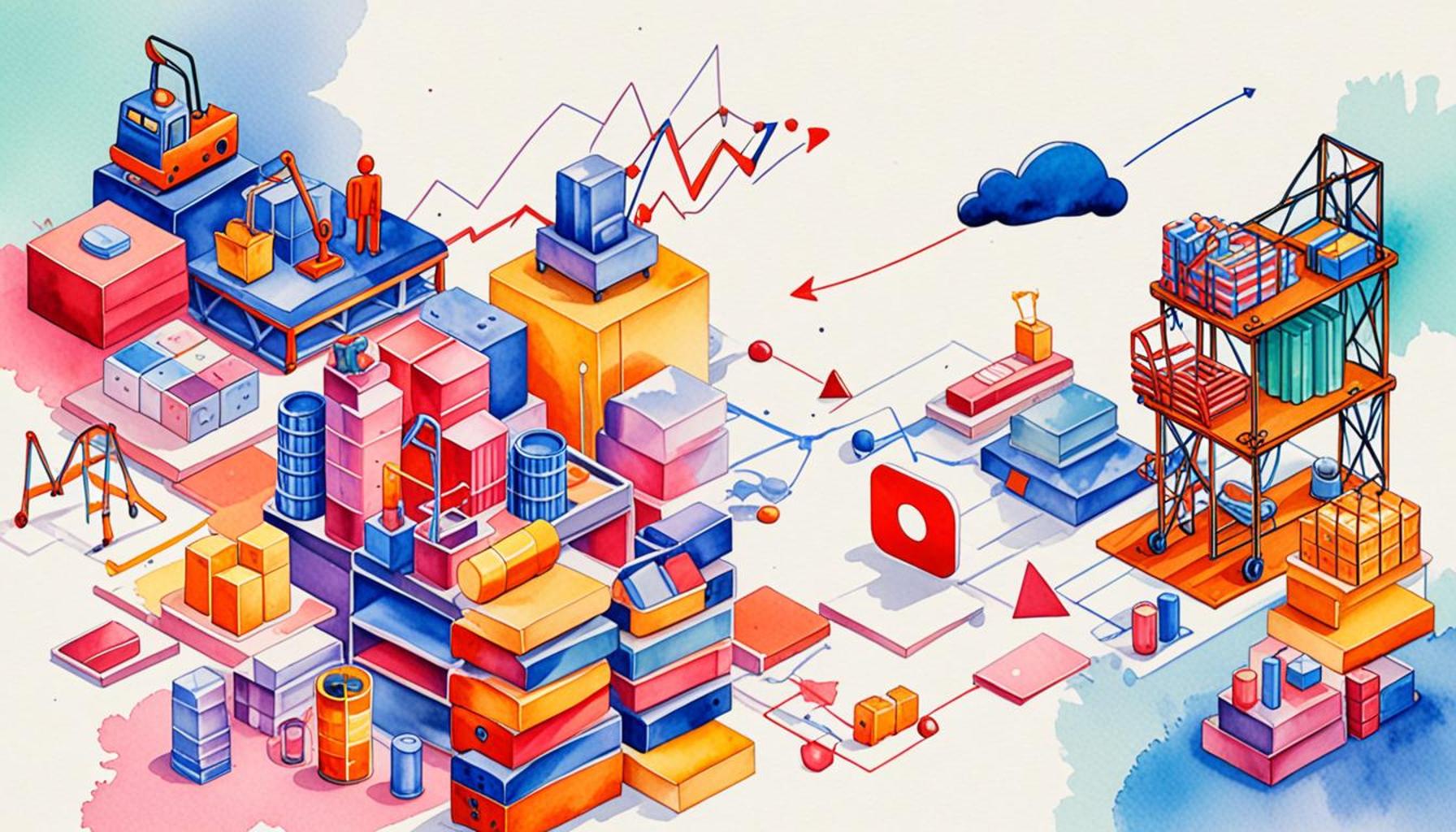
Transforming Fashion Retail Through Data Analysis
In today’s rapidly evolving fashion retail landscape, data analysis stands as a cornerstone of success. Among the many players in this digital arena, Shein has risen to prominence through its innovative use of technology, which is reshaping traditional supply chain dynamics and bolstering operational effectiveness.
The Power of Data in Demand Forecasting
One of the standout advantages of Shein’s data-driven strategy is its ability to conduct precise demand forecasting. By harnessing vast amounts of customer data—from purchase histories to social media trends—Shein can discern patterns that predict upcoming fashion fads. This predictive capability enables the company to manage inventory levels more efficiently, ensuring that popular items are readily available while simultaneously minimizing unsold stock that can lead to significant financial losses. For example, if data analysis reveals a surge in searches for “sustainable clothing,” Shein can quickly pivot its production to incorporate eco-friendly products, thus meeting customer demand promptly.
Adapting Through Dynamic Pricing
Dynamic pricing is another strategic advantage leveraged by Shein through data analysis. By continuously monitoring factors like competitor pricing, sales patterns, and consumer behavior in real-time, Shein adjusts its pricing dynamically. This strategy not only allows for competitive pricing but also enables the retailer to capitalize on fleeting trends. For instance, during a seasonal shift, if a particular style begins to gain traction among influencers, Shein can adjust prices swiftly to boost sales, maximizing profit margins without alienating price-sensitive customers.
Streamlining Logistics with Enhanced Tracking
Furthermore, Shein is enhancing its logistics through careful data tracking, resulting in improved efficiency and reduced shipping times. With the help of sophisticated algorithms, the company can analyze shipping routes, warehouse efficiency, and order fulfillment processes. As a consequence, Shein has been able to streamline operations significantly, ensuring that customers receive their orders quickly, which is a crucial aspect of online retail in the United States, where consumers increasingly prioritize speed and reliability.
Creating Personalized Shopping Experiences
The marriage of data analysis and customer engagement is evident in how Shein tailors its shopping experiences. By meticulously gathering data from various touchpoints—social media interactions, website browsing patterns, and past purchase behaviors—Shein curates personalized recommendations for its users. This approach not only enhances customer satisfaction through bespoke suggestions but also cultivates brand loyalty, as shoppers feel more connected to a brand that understands their personal tastes and preferences.
The Future of Fashion Retail
As big data tools continue to advance, the ripple effects of data analysis on Shein’s supply chain offer a glimpse into the future of retail. The increasing integration of technology in fashion commerce highlights an essential trend: retailers who embrace data-driven strategies are better positioned to adapt to changing consumer demands and market fluctuations. For those intrigued by the intersection of technology and retail, examining Shein’s innovative practices may inspire a deeper understanding of how modern consumerism is evolving in the digital era.
DISCOVER MORE: Click here to learn how data is reshaping fast fashion
Data-Driven Insights Revolutionizing Supply Chain Management
The integration of data analysis into Shein’s operations signifies a paradigm shift in supply chain management. The brand’s strategic interpretation of data not only influences decision-making but also drives efficiency across its global network. By crafting a more agile and responsive supply chain, Shein is redefining the landscape of fast fashion, allowing it to adapt to trends faster than ever before.
Optimizing Production Processes
At the core of Shein’s supply chain strategy is the optimization of production processes, facilitated by real-time data analytics. Understanding the intricate relationship between consumer behavior and manufacturing capabilities is crucial. For instance, Shein employs data to analyze which products resonate most with its target demographics. This capability allows the brand to produce limited runs of trending items, minimizing waste and aligning production with actual demand. Key factors that Shein considers include:
- Product popularity derived from user reviews and social media interactions.
- Regional preferences that guide style variations based on geographical data.
- Seasonal trends that affect consumer purchasing behavior.
By harnessing these insights, Shein can project the right quantity of each product line to manufacture, ensuring that the items reach the market in a timely manner and reducing overstock situations.
Enhancing Supplier Relationships
Another significant impact of data analysis on Shein’s supply chain is the enhancement of supplier relationships. Through analytical tools, Shein can effectively assess supplier performance and reliability. This involves analyzing metrics such as lead times, quality of goods, and responsiveness. A comprehensive understanding of these elements allows Shein to forge collaborations with suppliers who meet their stringent criteria for performance. As a result, Shein can ensure a steady flow of high-quality materials that align with their fast-paced production schedule.
The Role of Data in Decision Making
The role of data in facilitating decision making cannot be overstated in Shein’s supply chain operations. By utilizing business intelligence tools, the company sifts through vast quantities of data ranging from sales figures to inventory levels. This wealth of information enables the leadership team to make informed decisions that resonate with market demands. With predictive analytics, Shein can anticipate shifts in consumer preferences and proactively adjust its offerings, ultimately enhancing customer satisfaction.
In a dynamic environment like fashion retail, such data-driven decision-making is vital. It supports Shein’s mission to remain at the forefront of trends, ensuring that they capture the attention of consumers seeking the latest styles.
Balancing Speed and Sustainability
Data analysis also plays a crucial role in balancing the imperatives of speed and sustainability. As consumer awareness rises regarding environmental issues, Shein is increasingly called upon to demonstrate responsible practices in its supply chain. By analyzing data related to waste production, sourcing methods, and material sustainability, Shein can address these concerns head-on. The ability to pinpoint inefficiencies offers opportunities for improvement, whether that means adopting more sustainable materials or refining logistics to reduce carbon emissions.
As Shein continues to leverage data analysis within its supply chain, it showcases the ability to adjust not only to fashion trends but also to evolving consumer expectations regarding sustainability in the retail sector. This progression underscores an essential aspect of modern retail: savvy companies are turning data into actionable strategies that secure their position at the forefront of the market.
The Impact of Data Analysis on Shein’s Supply Chain
One of the most critical aspects of Shein’s success lies in their unparalleled ability to harness data analysis to refine their supply chain processes. By leveraging advanced analytics, Shein has revolutionized how they manage inventory, forecast demand, and ultimately deliver products to their self-proclaimed fashion-forward customers. This part of the article delves deeper into specific advantages that result from their data-driven approach.
| Category | Key Features |
|---|---|
| Stock Optimization | Utilizes predictive analytics to ensure that inventory levels are maintained efficiently, reducing the risk of overstocking and stockouts. |
| Rapid Response to Trends | Employs real-time data tracking to swiftly adjust production schedules, resulting in a quicker turnaround time from design to market. |
This intricate model of data utilization not only helps in reducing operational costs but also enhances customer satisfaction by aligning closely with consumer demand patterns. As the fast-fashion industry evolves, Shein’s commitment to data analysis strengthens its competitive advantage, compelling other retailers to adapt similar strategies to remain relevant.
Next, we will explore how these data-driven practices influence other facets of the business, including sustainability efforts and global shipping efficiencies.
DIVE DEEPER: Click here to find out more</
Streamlining Inventory Management with Predictive Analytics
One of the most critical challenges in the fast fashion industry is inventory management. Shein has effectively circumvented this issue through the integration of predictive analytics. By analyzing historical sales data and real-time market trends, Shein can forecast which products will be in demand, thereby optimizing its stock levels. This proactive approach reduces both excess inventory and stockouts, allowing greater responsiveness to consumer desire.
For example, during key shopping periods such as Black Friday or holiday sales, Shein employs advanced analytics to predict peak demand for specific items. This insight enables the company to bolster stock for best-selling pieces while minimizing the risk of surplus in less popular styles. Additionally, the historical data gathered from past sales cycles helps Shein identify buying patterns at various times of the year and adjust their inventory accordingly, creating a seamless shopping experience.
Utilizing Customer Engagement Data for Tailored Offerings
Another innovative use of data analysis in Shein’s supply chain is its focus on customer engagement data. Through a robust digital platform, Shein collects comprehensive data regarding customer interactions, including click-through rates on website pages and dwell times on specific products. This wealth of information allows Shein to tailor its offerings to consumer preferences.
For instance, if data indicates that a particular style of clothing garners significant interest during a specific season, Shein can fast-track production of that item to capitalize on the trend. Furthermore, the brand’s ability to analyze regional consumer behavior empowers it to localize collections—offering items that best meet the preferences and tastes of diverse markets, thus enhancing customer satisfaction.
Real-Time Performance Monitoring for Agile Operations
The implementation of real-time performance monitoring is another facet of Shein’s data-driven supply chain strategy. By utilizing sensors and digital tracking systems throughout their logistics network, Shein can monitor every stage of the supply process. This capability provides insights on lead times, shipping delays, and potential bottlenecks, leading to timely interventions.
Real-time data analytics not only streamlines operations but also empowers Shein to make rapid adjustments. For instance, if a shipment is delayed, the company can pivot quickly, rerouting products or reallocating resources to maintain its fast-paced delivery commitment. This agility is central to maintaining Shein’s competitive edge in an industry that thrives on speed and efficiency.
Leveraging Social Media Insights for Trend Forecasting
In today’s digital age, social media insights play a pivotal role in determining fashion trends. Shein actively analyzes social media platforms to capture emerging styles and consumer discussions surrounding fashion. By leveraging sentiment analysis and trend tracking tools, the company can identify which styles are gaining traction among influencers and consumers alike.
This constant monitoring not only aids Shein in rapid trend adaptation but also allows them to innovate in product design. If a certain fabric or color becomes popular, Shein can swiftly incorporate it into its production schedule, ensuring they remain aligned with consumer desires and market movements. Moreover, data gathered from social media interactions provides valuable feedback regarding customer preferences, enabling the brand to continuously refine its offerings.
Overall, the strategic application of data analysis across various dimensions of Shein’s supply chain not only optimizes efficiency but also enhances the customer experience, all while maintaining a competitive advantage in the cutthroat landscape of fast fashion.
DISCOVER MORE: Click here for insights on blockchain and transparency
Conclusion: The Transformative Power of Data Analysis in Shein’s Supply Chain
As the fast fashion industry continues to evolve, data analysis stands at the forefront of driving innovations, particularly in companies like Shein. The impact is palpable across various facets of its supply chain—from streamlined inventory management through predictive analytics to agile operations enabled by real-time performance monitoring.
By leveraging customer engagement data, Shein not only tailors its product offerings to meet consumer preferences but also enhances customer satisfaction. This capacity for understanding the marketplace allows Shein to respond to trends with remarkable speed, ensuring they remain relevant in a highly competitive environment. Furthermore, the insightful analysis of social media trends serves as a modern compass, guiding the brand to navigate the ever-shifting landscape of fashion.
The cumulative effect of these data-driven strategies is nothing short of transformative. As Shein harnesses the power of data, it not only optimizes supply chain efficiency but also establishes a robust framework for sustainable growth. This ability to adapt rapidly and anticipate changes in consumer behavior is crucial in a world where the appetite for novelty is insatiable. Ultimately, Shein’s use of data analysis does more than support operations; it paves the way for the brand to set new standards in the fast fashion sector, encouraging competitors to rethink their strategies in the process.
In conclusion, Shein’s journey illustrates how data analysis is essential not only for enhancing operational efficiency but also for enriching customer engagement and brand loyalty. For anyone looking to understand the future of retail, Shein offers a compelling case study of how data-driven decisions can reshape an entire industry.