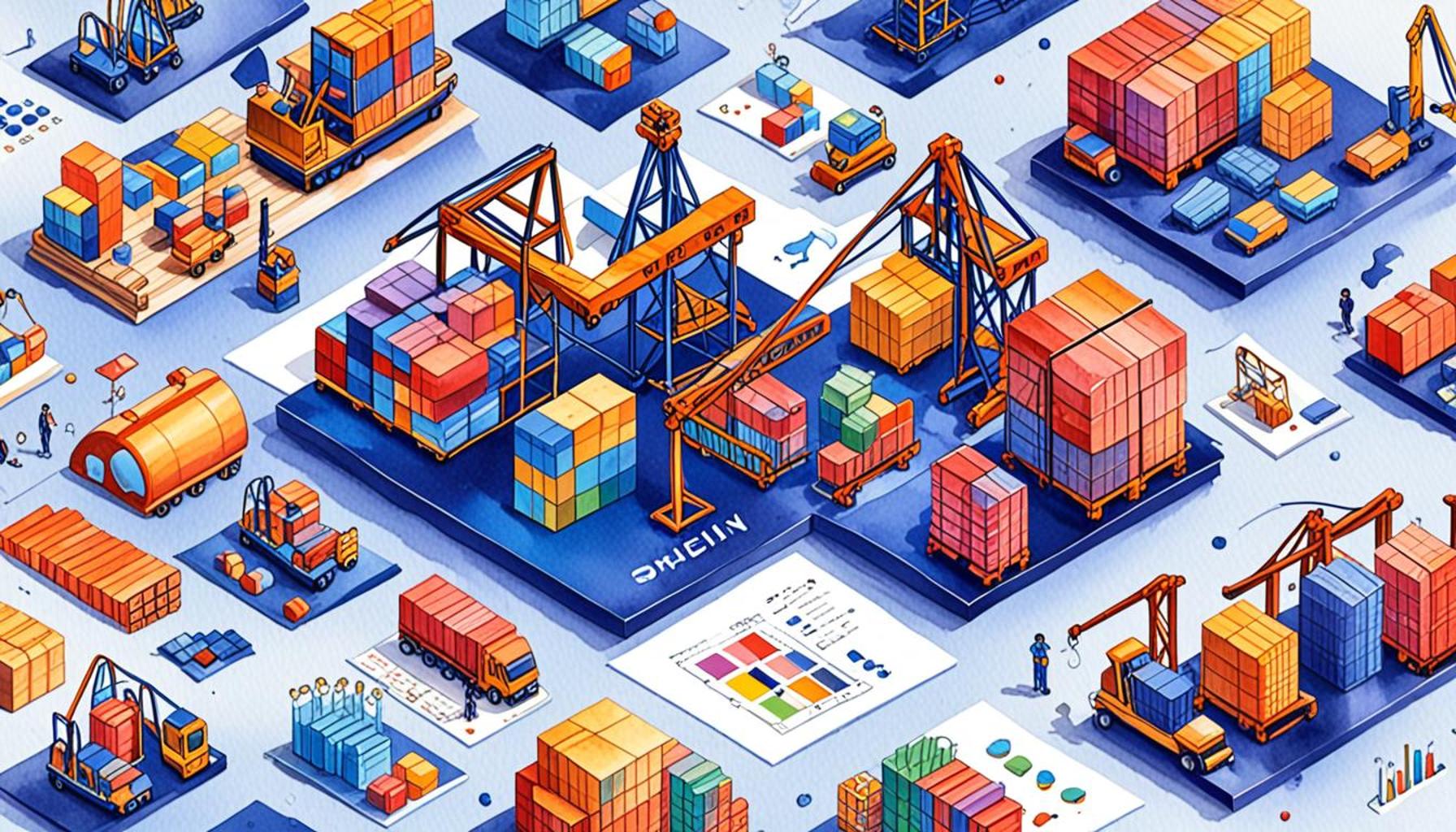
The Role of Technology in the Agility of Shein’s Supply Chain
Understanding Shein’s Supply Chain Agility
In the fashion retail landscape, consumer habits evolve at an unprecedented pace, creating a compelling demand for brands to stay ahead of the curve. Shein has capitalized on this trend by establishing a supply chain that is not only responsive but also remarkably swift. This capability has been significantly enhanced by the strategic integration of technologies designed to optimize various facets of its operations.
At the core of Shein’s impressive supply chain is the utilization of data analytics. The company harnesses big data to unearth trends from vast amounts of consumer information, gained through both direct sales and social media interactions. For example, by analyzing customer behavior patterns, Shein can predict which styles will be in vogue before they even come to market. This insight allows them to stock what’s likely to sell and to make informed decisions about their product offerings quickly.
Another crucial component is automation. Shein has embraced robotic systems within its distribution centers, significantly increasing its order fulfillment speed. Automation not only accelerates the processing of high volumes of orders but also reduces the likelihood of human error. This is essential for meeting the demands during peak shopping seasons, such as Black Friday or back-to-school. With fulfillment centers strategically located, Shein can get products to American consumers faster than many traditional retailers.
Moreover, the company employs an AI-driven design approach, which allows it to optimize what is created in tandem with current market trends. Using algorithms, Shein analyzes customer feedback and purchase data to develop new styles that are aligned with consumer desires, minimizing the lag time between design conception and market introduction. This agility enables Shein to roll out new collections weekly, keeping the brand fresh and appealing to fashion-forward shoppers.
This rapid turnover and consumer responsiveness are not just advantageous for Shein’s bottom line; they challenge traditional retail paradigms. As the company continues to leverage technology, it raises questions regarding sustainability and ethical manufacturing practices in the fashion industry. The faster a supply chain can react, the greater the risk for overproduction and waste, issues that consumers and advocates are increasingly mindful of.
In exploring Shein’s innovative supply chain strategies, one can see a glimpse of the future of retail. The implications of such advancements resonate not only for companies considering similar approaches but also for consumers seeking rapid gratification of their fashion cravings. As the landscape of fashion retail continues to evolve, Shein exemplifies how technology can reshape not only operational capabilities but also customer experiences in the fast-moving world of fashion.
DIVE DEEPER: Click here to learn how blockchain enhances transparency</p
Technological Innovations Driving Shein’s Competitive Edge
As the fashion industry grapples with shifting consumer preferences, the role of technology in enhancing supply chain agility has never been more critical. Shein stands out in this regard by capitalizing on innovative tech solutions that streamline processes and optimize inventory management. One of the standout features of Shein’s approach is its use of real-time inventory tracking, a technology that allows the company to maintain a delicate balance between supply and demand.
Real-time inventory tracking enables Shein to monitor stock levels across multiple platforms and locations, ensuring that popular items remain available while minimizing the risks associated with overproduction. This visibility into inventory not only aids in avoiding stockouts but also facilitates the rapid redistribution of products as needed. Additionally, this tech-driven efficiency translates to cost savings, which can be passed on to consumers in the form of competitive prices.
In conjunction with inventory management, Shein’s advanced supply chain management software plays a vital role in optimizing its logistics processes. This software component helps coordinate the entire supply chain workflow, from suppliers to final delivery. By using algorithms to manage task assignments and transportation routes, Shein can expedite shipping times while also managing labor costs effectively.
Moreover, Shein has implemented a multi-tier supplier network that leverages technology to enhance collaboration across the board. This network allows the brand to source materials from various global suppliers while maintaining quality and minimizing delays. By employing data analytics to assess supplier performance, Shein is capable of making strategic decisions about which partnerships to prioritize, thus ensuring a more resilient supply chain. Some advantages of this multi-tier approach include:
- Improved quality assurance: Enhanced collaboration leads to a more consistent product offering.
- Reduced lead times: A more agile supplier network enables quicker responses to consumer trends.
- Diverse sourcing options: Access to multiple suppliers mitigates risks associated with disruptions.
Another transformative aspect of Shein’s supply chain agility is its investment in blockchain technology for increased transparency. As consumers become more conscious of ethical sourcing, blockchain offers an appealing solution by enabling tracking of product origins and supply chain practices. This transparency not only builds trust with consumers but also aligns with a growing demand for sustainability in the fashion sector.
The implications of these technological advancements extend beyond Shein’s immediate operational efficiencies; they also set a new standard within the broader retail landscape. As Shein continues to refine its tech-driven supply chain, other fashion brands may be compelled to adapt their processes, either to keep pace or to differentiate themselves in an increasingly competitive market.
In summary, the amalgamation of real-time tracking, advanced software solutions, a multi-tier supplier network, and blockchain technology positions Shein as a formidable player in the fast fashion domain. This tech-centric approach not only enhances supply chain agility but also reshapes consumer expectations, prompting a reconsideration of what efficiency looks like in today’s fast-moving fashion landscape.
| Technology Aspect | Impact on Supply Chain Agility |
|---|---|
| Data Analytics | Facilitates real-time decision making, enhancing responsiveness to market trends. |
| Automation Tools | Streamlines processes, reduces lead times, and minimizes human error. |
| Cloud Technology | Enhances collaboration across global teams, allowing for seamless communication. |
| Inventory Management Systems | Optimizes resource allocation, ensuring products are available at the right time. |
When considering the implications of technology on Shein’s supply chain, it becomes evident that strategic advancements are not just beneficial but crucial for maintaining a competitive edge in the fast-paced world of fashion. One remarkable aspect is the use of data analytics, which empowers companies to monitor consumer trends and adapt product offerings in real-time. Thus, Shein can swiftly pivot its production based on demand fluctuations. Moreover, the integration of automation tools significantly enhances operational efficiency. This capability allows Shein to streamline various processes, ultimately reducing lead times and operational costs. The incorporation of cloud technology enhances communication across global teams, fostering a collaborative environment that is essential for agile supply chain management.Further, sophisticated inventory management systems allow Shein to fine-tune its stock levels, preemptively addressing potential shortages or surpluses. Each of these technological elements plays a critical role, not only in ensuring seamless supply chain operations but also in positioning Shein as a leading brand in the fast fashion market.
DISCOVER MORE: Click here to learn about Shein’s innovative business model
Harnessing Data Analytics for Predictive Trends
While real-time inventory tracking and logistics management are vital, data analytics represent another cornerstone of Shein’s supply chain agility. By leveraging vast amounts of customer data, Shein can predict fashion trends with impressive accuracy. This capability empowers the brand to make informed decisions about what styles to produce, in what quantities, and at what time. Essentially, data analytics becomes a crystal ball that helps Shein anticipate shifts in consumer preferences before they materialize, allowing the company to stay ahead of market demands.
For instance, Shein employs advanced algorithms to sift through online shopping behaviors, searching for patterns that reveal emerging trends. With social media serving as a key data source, insights gleaned from platforms like Instagram and TikTok enable Shein to identify what’s gaining traction among consumers. By reacting quickly to these trends, the brand can introduce new collections within a matter of days, distinguishing itself in a market where traditional fashion cycles often take months to execute.
Customer Feedback Loop: Fostering Continuous Improvement
The integration of technology within Shein’s supply chain does not stop at using big data; it also includes establishing a robust customer feedback loop. Utilizing digital platforms, Shein actively encourages customer feedback on its designs, sizes, and overall shopping experience. This feedback is then analyzed using machine learning algorithms to optimize product offerings. The use of this continuous improvement methodology leads to more refined and consumer-aligned collections, enhancing overall customer satisfaction.
Moreover, this feedback loop ensures that Shein maintains a customer-centric approach. By adapting to customer input, the brand not only enhances product quality but also builds a loyal customer base. The agility of Shein’s supply chain lies not solely in its ability to quickly bring products to market but also in its responsiveness to customer needs, creating a dynamic interplay between supply and demand.
Automating Production: The Future of Fashion
In addition to advanced data analytics, Shein leverages automation technologies for production efficiency. By implementing robotic systems and artificial intelligence in manufacturing processes, Shein is able to reduce production costs significantly while enhancing speed and flexibility. Automation mitigates the risk of human error and allows for scalability—the ability to ramp up production in sync with demand surges associated with viral trends.
For example, the use of automated cutting machines can streamline fabric preparation, leading to faster turnaround times for new designs. Furthermore, machine learning tools can help predict which items will be bestsellers, enabling Shein to allocate resources more effectively. With this level of efficiency, even limited editions can be produced quickly and efficiently, satisfying the consumer thirst for novelty without sacrificing quality.
Smart Warehousing and Distribution
Another significant technological integration within Shein’s supply chain is the development of smart warehouses. These facilities utilize Internet of Things (IoT) sensors and artificial intelligence to optimize storage space, reduce operational costs, and improve order processing times. For instance, AI algorithms can predict the best warehouse locations for storing particular items based on demand forecasts, facilitating faster shipping options for customers across the globe.
Lastly, Shein employs sophisticated logistics partnerships that employ tech-driven solutions such as drone delivery and autonomous vehicles to expedite the last-mile delivery process. This innovation not only boosts efficiency but enhances customer experience by providing options for quicker deliveries, aligning with consumer expectations in today’s fast-paced market.
Through the amalgamation of data analytics, customer feedback, automation, and smart logistics, Shein effectively illustrates the pivotal role that technology plays in achieving supply chain agility. As the fashion industry continues to evolve, Shein exemplifies how tech-driven methodologies can set companies apart in a dynamic and competitive landscape.
DISCOVER MORE: Click here to learn about Shein’s innovative sales strategies
Conclusion: The Technological Prescription for Agility
The rapid rise of Shein as a leading fashion retailer can largely be attributed to its adept integration of cutting-edge technology within its supply chain operations. By leveraging data analytics, Shein not only foresees fashion trends but also fine-tunes its offerings based on real-time consumer behavior. The company’s innovative use of customer feedback loops ensures that it remains aligned with consumer preferences, establishing a deep connection that transcends mere transactional relationships.
Furthermore, automation and robotics have fundamentally altered traditional manufacturing approaches, providing Shein with the ability to scale production efficiently and economically. The implementation of smart warehousing and advanced logistics solutions, including drone delivery, accelerates fulfilment processes and enhances the customer experience, cementing Shein’s competitive edge in the fast-paced fashion industry.
As the fashion landscape continuously evolves, the importance of agility within supply chains becomes more pronounced. Shein exemplifies how technology can revolutionize not just operational efficiency but also customer engagement, setting a standard that other brands may strive to emulate. With evolving technologies paving the way for innovation, it is clear that the future of the fashion industry will hinge on the ability to adapt and respond to trends swiftly. For anyone in the sector, closely examining Shein’s model reveals not just a blueprint for success, but also a challenge to remain forward-thinking in an increasingly crowded marketplace.